Balanced Diet
Balance is the Key — Eat Right, Live Bright
What is a Balanced Diet?
A balanced diet provides all the essential nutrients your body needs to function properly — in the right quantities and at the right times.
It includes carbohydrates, proteins, fats, vitamins, minerals, and water — all distributed wisely to maintain energy, immunity, and overall health. A balanced diet avoids extremes or excesses and supports the body’s natural rhythms and digestive patterns.
It not only fuels your physical activity but also plays a crucial role in mental clarity, mood balance, and disease prevention. Whether you’re young or old, active or sedentary, eating a mix of wholesome foods ensures every part of your body — from cells to organs — works in harmony.
- Eating fresh and seasonal foods over processed items
- Including fiber-rich grains, plant proteins, and healthy fats
- Portion control to avoid overeating or undereating
- Timing meals to align with your body's digestive capacity
- Staying hydrated and avoiding excess sugar or salt
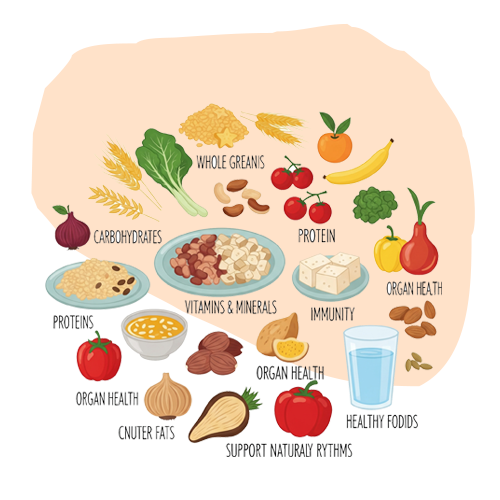
Core Components of a Balanced Diet
Carbohydrates
Whole grains, fruits, and vegetables — your body’s main energy source.
Proteins
Helps build and repair tissues. Found in lentils, dairy, tofu, and pulses.
Healthy Fats
Essential for brain and skin. Found in nuts, ghee, seeds, and oils.
Vitamins
Support immunity and cell function. Found in colorful veggies & fruits.
Minerals
Calcium, iron, zinc, etc. are vital for bones, blood, and metabolism.
Water
Flushes toxins, aids digestion, and maintains body temperature.
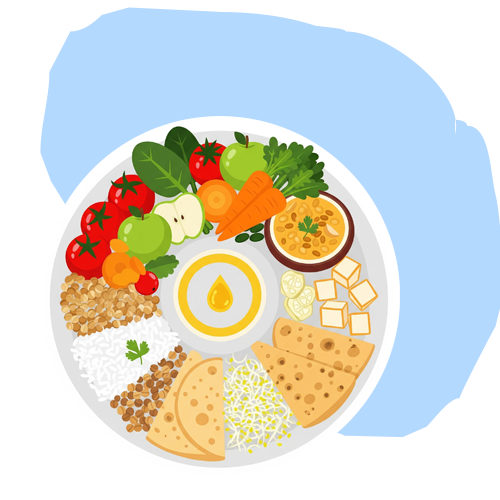
Ideal Plate Composition
Here’s how to portion your meals for balanced nutrition:
A balanced meal begins with how your plate is structured. When you portion your food wisely, you support better digestion, energy balance, and overall health.
It not only fuels your body but also helps prevent lifestyle-related disorders like obesity, diabetes, and fatigue. The right composition ensures that your body receives a steady supply of nutrients throughout the day, keeping you mentally alert and physically active. When you eat in harmony with your body’s needs, every meal becomes a step toward better health and vitality.
- 50% vegetables & fruits
- 25% whole grains (roti, rice, millets)
- 25% proteins (dal, paneer, sprouts)
- Add healthy fat (1–2 tsp ghee/oil)
- Always stay hydrated between meals
Daily Eating Habits That Promote Balance
Your daily food habits play a major role in shaping your long-term health and energy levels. By making conscious, mindful choices each day, you can naturally support your digestion, metabolism, and mental clarity.
Eating seasonal and regional foods ensures that your body receives the nutrients it needs as per the climate and environment. Sticking to regular meal timings aligns your digestion with the body’s biological clock, helping improve absorption and energy flow. Avoiding extremes—like skipping meals or overeating—protects the digestive system from imbalance.
- Eat seasonal and regional foods
- Maintain regular meal timings
- Avoid skipping meals or overeating
- Reduce refined sugar and processed foods
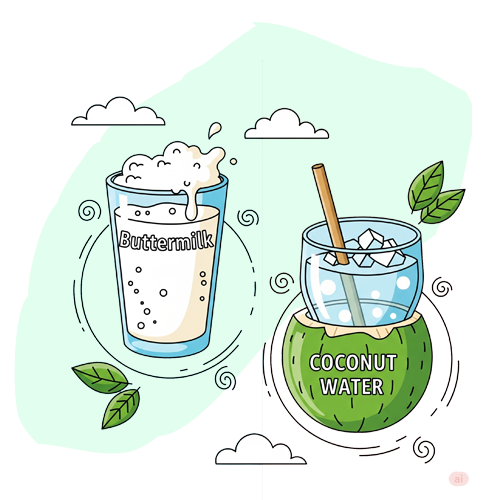
- Choose natural beverages (buttermilk, coconut water)
Ready for a Healthier You?
Start with a balanced plan made just for your body and goals.
Get Your Diet Plan